Strategic Plan 2026–2029
A realistic plan, honest about the pace a young organisation can sustain.
To strengthen community resilience and improve the knowledge and socio-economic wellbeing of vulnerable populations — especially women, children and displaced communities — through integrated, sustainable and locally driven interventions.
Period
2026–2029
Phases
03
Objectives
05
Named risks
03
Implementation phasing
Three years, in the order these things actually work.
Foundations before scale, and scale before handover. Attempting them in any other order is how young organisations over-promise and under-deliver — and it is the failure mode this plan is written to avoid.
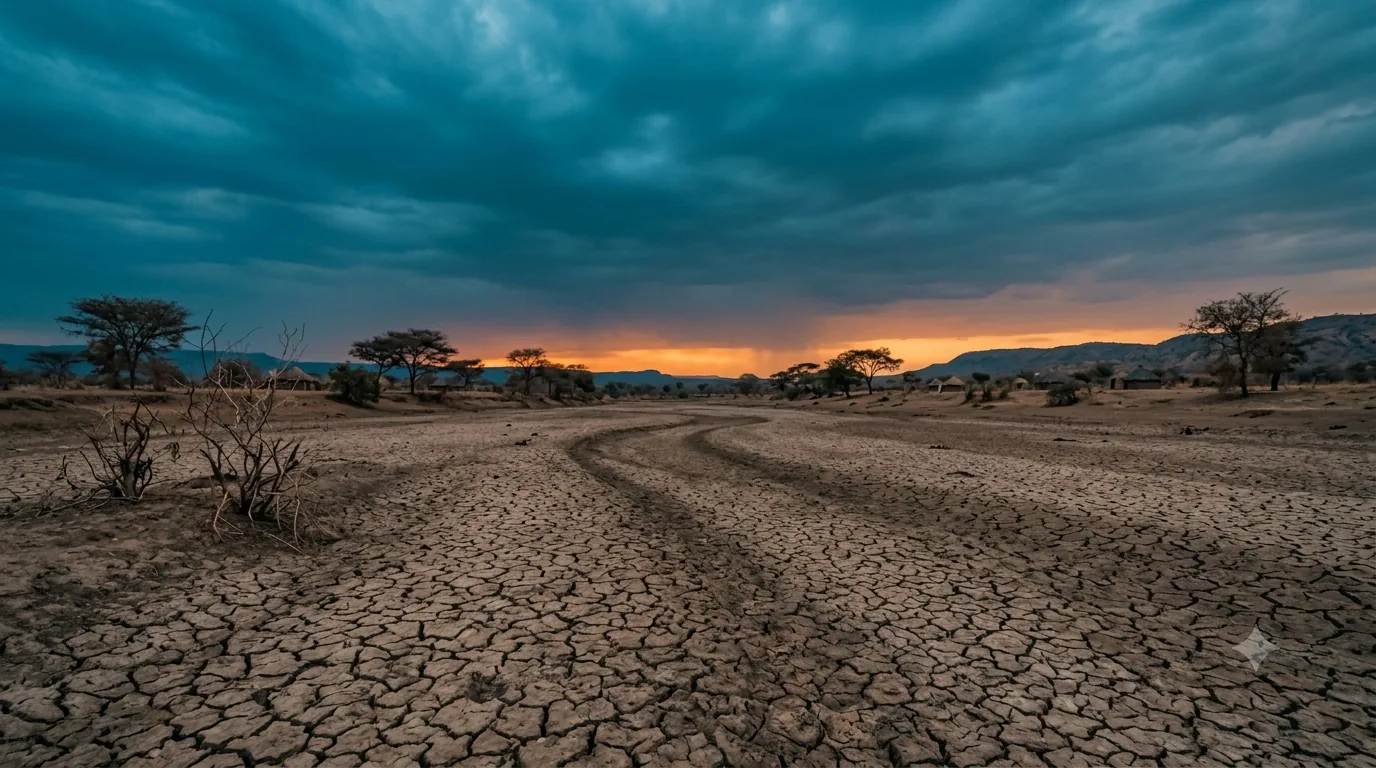
2026
Organisation & Capacity Building
Put the institutional foundations in place and prove the model at small scale before asking anyone to fund it larger.
- Institutional strengthening and policy development
- Pilot small-scale livelihood, education and health awareness activities
- Strengthen partnerships and cluster engagement
- Establish the MEL system and baseline indicators
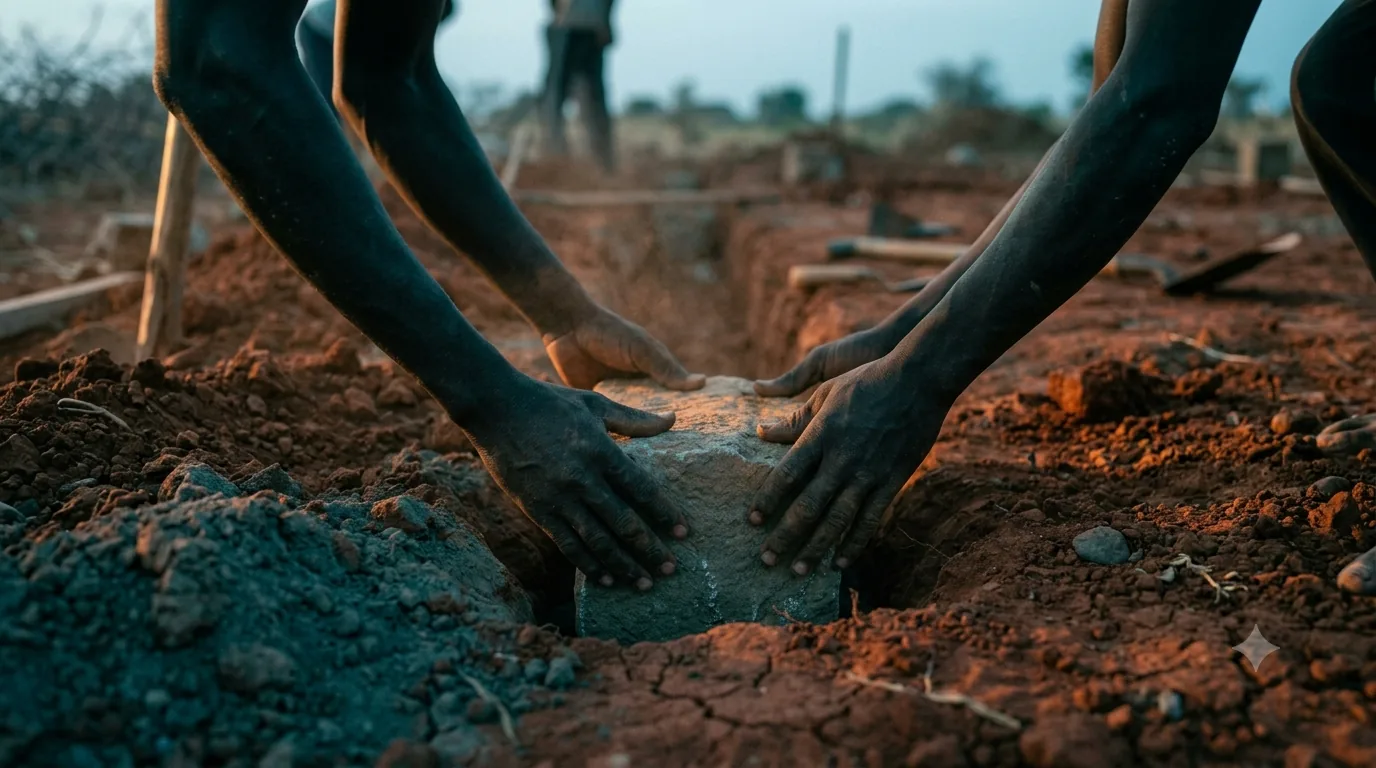
2027–2028
Programme Expansion & Consolidation
Scale what demonstrably worked, into communities that asked for it.
- Scale up successful pilots to additional communities
- Strengthen women-led agribusiness initiatives
- Increase IPI visibility and donor engagement
- Deepen consortium arrangements with national and international partners
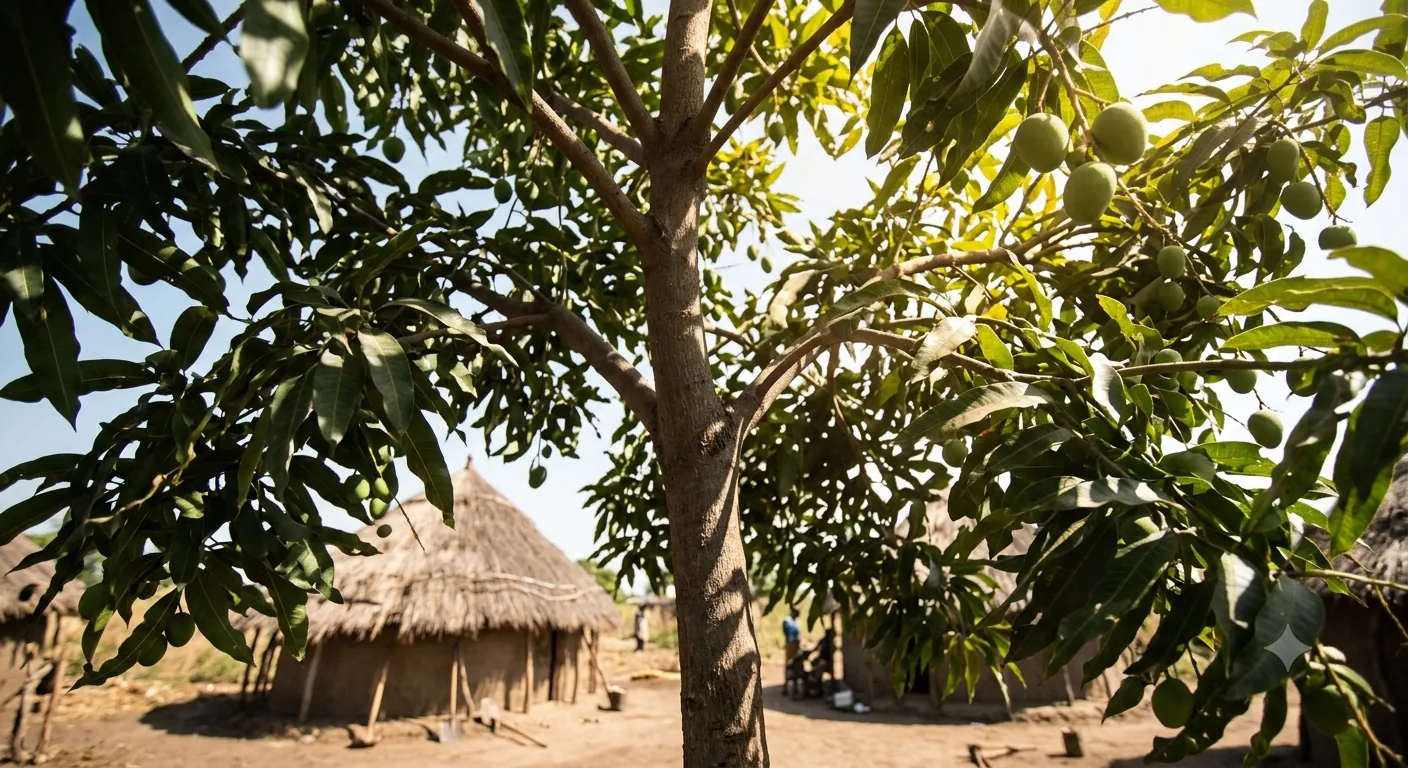
2029
Sustainability & Impact
Hand ownership to the communities and structures that will still be there afterwards.
- Consolidate community ownership of programmes
- Strengthen monitoring, learning and documentation of impact
- Position IPI for medium-to-large scale funding opportunities
- Publish evidence of what changed, including where results fell short
Strategic objectives
What the plan commits to.
Cross-cutting
Applied to every programme, without exception.
Gender equality & social inclusion
Programme design begins from who is being left out, and measures whether that changed.
Conflict sensitivity & Do No Harm
Every intervention is assessed for how it interacts with existing tensions before it begins.
Community participation & ownership
Structures are built to outlast our presence and our funding cycles.
Partnerships
Working with government, civil society, UN agencies and development partners rather than around them.
Sustainability & environmental responsibility
Environmental impact is treated as a programme outcome, not an externality.
Monitoring, evaluation & learning
Measurement proportionate to our size — and designed to grow.
IPI is building a simple but effective monitoring, evaluation and learning system — deliberately proportionate to the organisation's current size, and designed to grow with it.
Track progress against objectives
Each strategic objective carries defined outputs and indicators, reviewed against baseline.
Document lessons and best practice
Including what did not work — programme learning is only useful if it is honest.
Ensure accountability
To communities first, then to partners and donors. Annual reviews inform adaptive programming.
Risk management
What could stop this, and what we do about it.
Naming risk plainly is part of being fundable. These are the three that matter most in IPI's operating context.
Funding constraints
Mitigation
Diversified partnerships and funding sources; consortium arrangements; programme design that degrades gracefully at lower budgets.
Insecurity and political instability
Mitigation
Conflict-sensitive approaches and Do No Harm assessment before every intervention; deep community engagement that gives programmes local legitimacy.
Climate shocks and flooding
Mitigation
Flexible programming and seasonal planning; environmental conservation built into health programming rather than treated separately.
As a young national organisation, IPI's strategy is deliberately built around partnership. Consortium arrangements let IPI contribute what it holds — community access, local legitimacy and conflict-sensitive delivery in hard-to-reach areas — while drawing on partners for technical capacity and funding scale.
Period
2026–2029
Phases
03
Objectives
05