
National NGO · Republic of South Sudan
Uniting
diversity.
Inclusive Path Initiative is a non-profit, non-partisan national organisation working alongside conflict-affected, flood-prone and hard-to-reach communities in South Sudan — building peace, expanding access to education and health, and strengthening livelihoods.
5
Strategic objectives
Guiding all programming through 2029
3
States of operation
Central Equatoria, Unity and Jonglei
10
Communities served
Counties and payams with active programming
4
Humanitarian clusters
FSL, Nutrition, Health and Protection
Where we work
Where access is hardest, need is greatest.
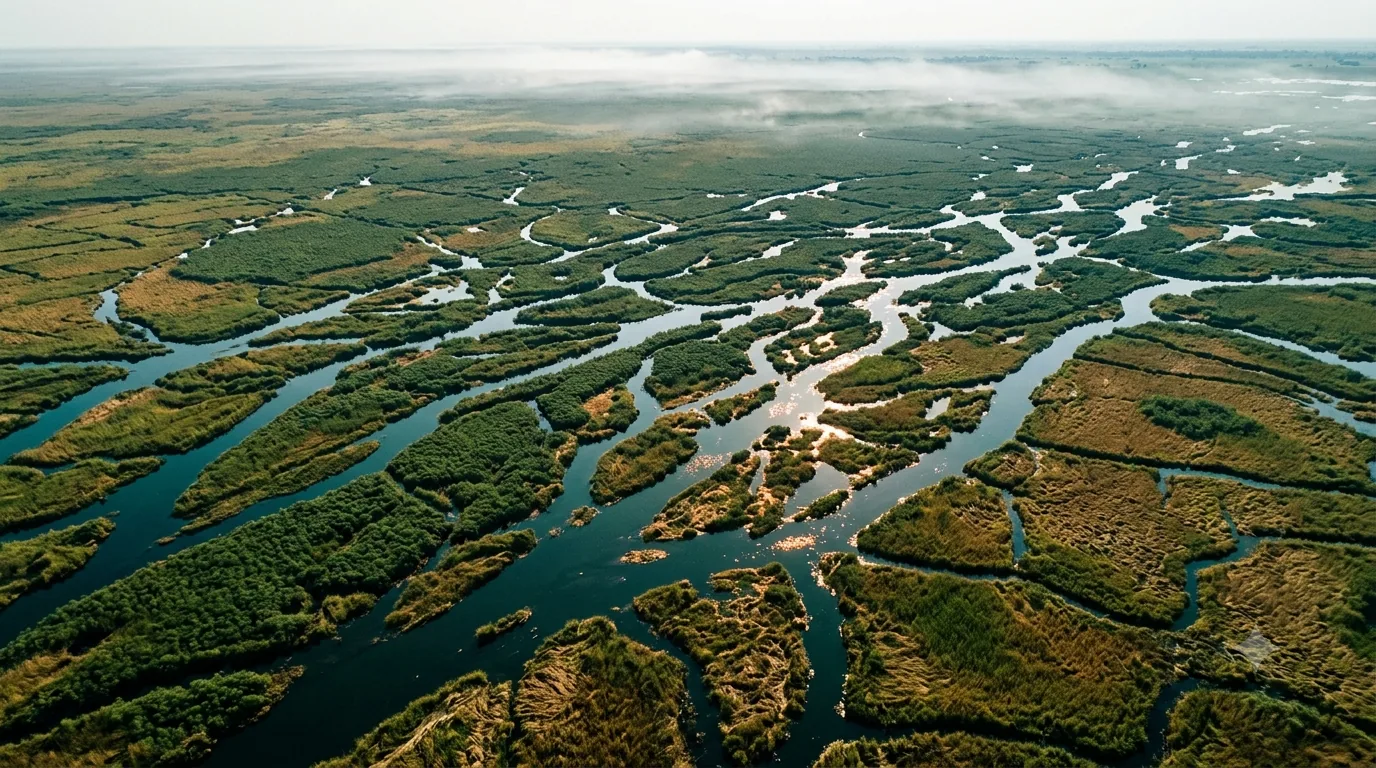
South Sudan’s geography decides who gets reached. The Sudd floods, roads close for months, and the communities furthest from a paved road are the ones furthest from a clinic, a classroom and a functioning market. IPI programmes where that distance is greatest.
States
03
Communities
10
Centroid
7.5°N 30.0°E
Areas of operation
Three states. Ten communities.
Programming concentrated in conflict-affected, flood-prone and hard-to-reach areas — the places where a national organisation with community access can deliver what an international one cannot.
Central Equatoria
05Head office, school-based programming across Juba County payams, and nutrition work in Mangalla.
- Juba4.86°N
- Mangalla5.18°N
- Luri4.87°N
- Kator4.84°N
- Rajaf4.79°N
Unity
04Peacebuilding, reconciliation and nutrition programming across counties affected by conflict and seasonal flooding.
- Leer8.30°N
- Koch8.60°N
- Panyijiar7.85°N
- Mayom9.15°N
Jonglei
01Hard-to-reach community programming in Akobo, focused on coexistence and maternal nutrition.
- Akobo7.78°N
Who we are
Transformation rests in the hands of the community.
Empowering vulnerable and marginalised communities with quality services, and promoting long-lasting solutions for affected communities.
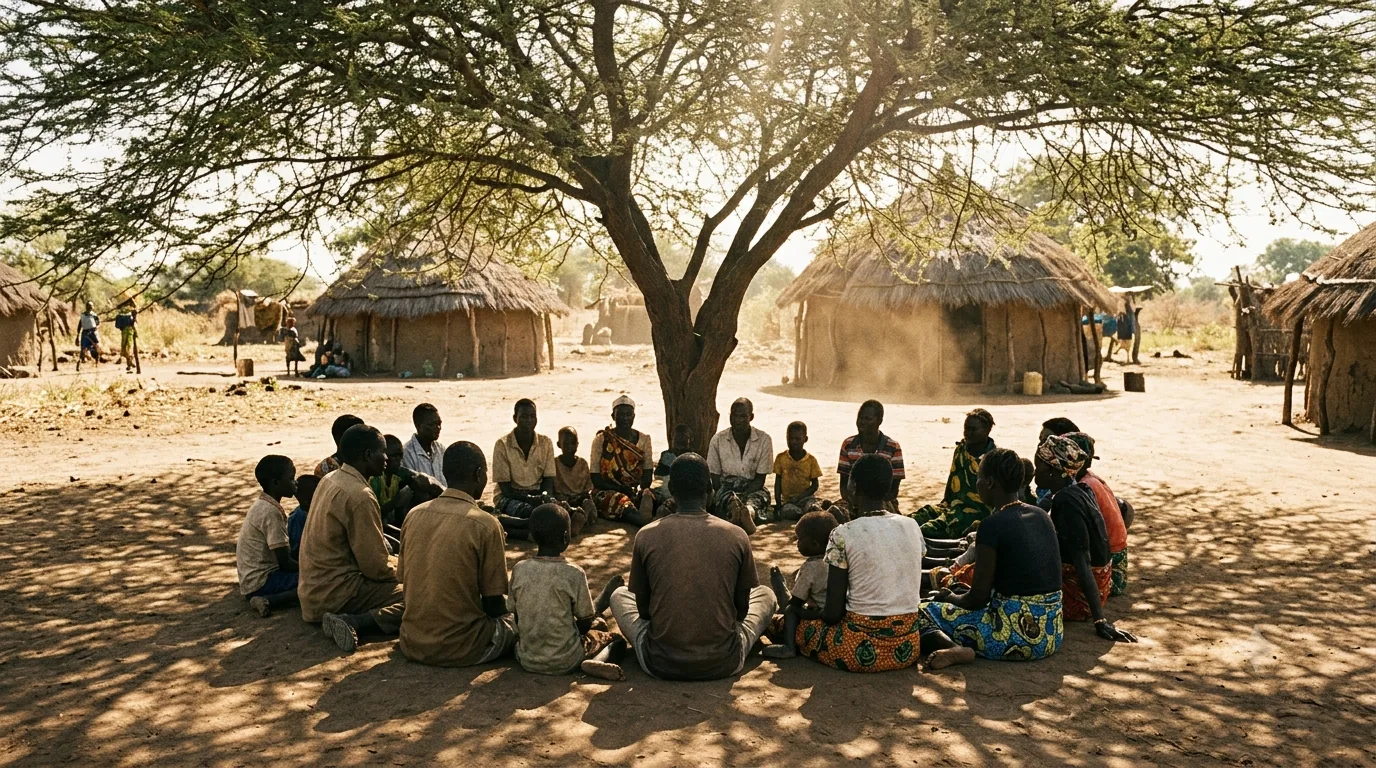
IPI works alongside communities in conflict-affected, flood-prone and hard-to-reach areas of South Sudan — equipping people to lead, to build peace, and to sustain the change once programmes end.
Vision
To enhance peaceful, healthy, educated and resilient communities, where every individual — especially children, youth, women and people with disabilities in conflict-affected, flood-prone and hard-to-reach areas — has equal opportunity to live with dignity and realise their full potential toward sustainable national development.
Core values · 06
Integrity & Accountability
We hold ourselves answerable to the communities we serve, to our partners and to our donors — in that order.
Peace & Social Cohesion
We work so that neighbours who have been divided by conflict can share a future rather than contest it.
Inclusiveness & Equity
Women, children, people with disabilities and the displaced are not an afterthought in our programmes. They are the design brief.
Transparency
Open reporting on what we planned, what we spent and what actually changed — including when it fell short.
Community Participation
Communities set the priorities. We bring resources, facilitation and technical support to what they decide.
Respect for Human Dignity
Assistance delivered in a way that preserves agency and self-respect is the only kind worth delivering.
What we do
Five objectives, one strategy.
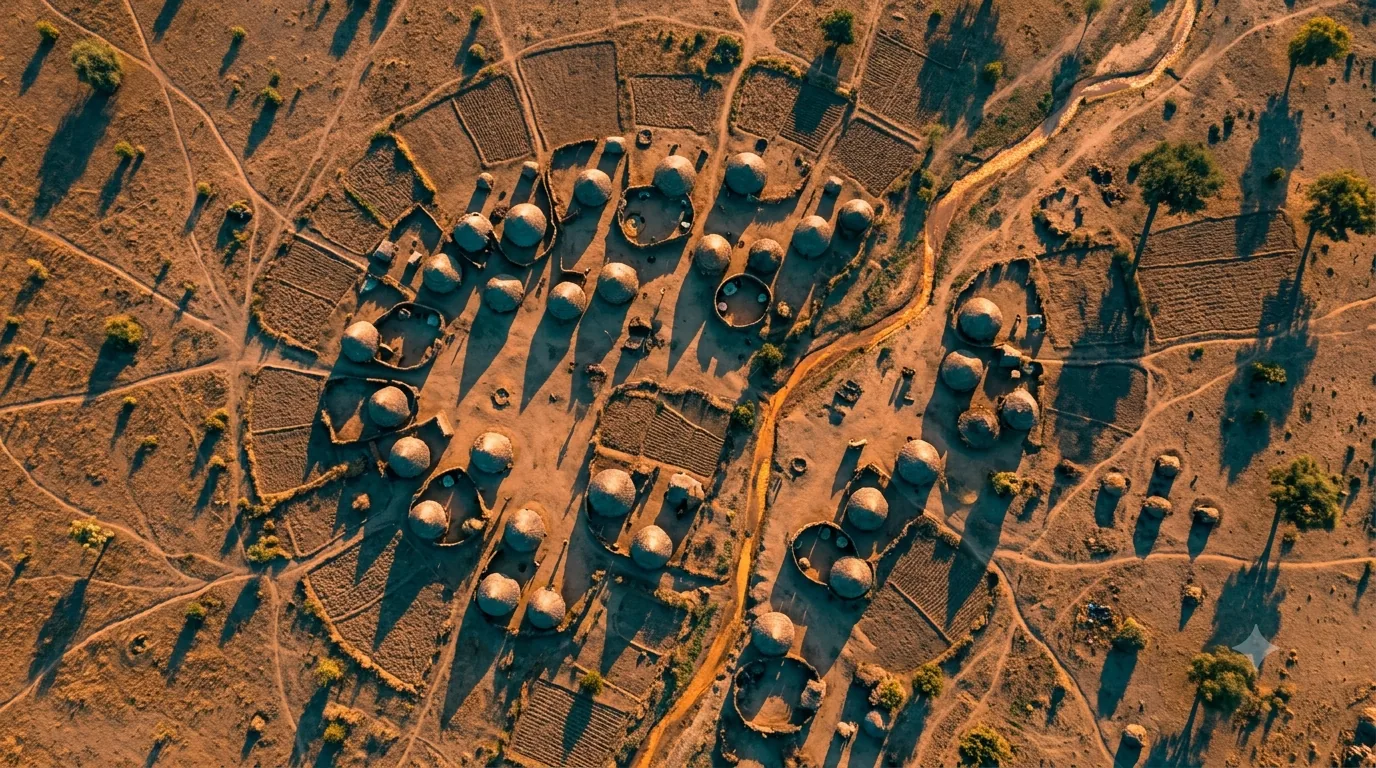
Each programme reinforces the others. Peace makes schooling possible; schooling makes livelihoods possible; livelihoods make peace durable. Delivered separately, each one leaks.
Strategic Plan 2026–2029
A three-year path, honest about its own pace.
IPI is a young organisation, and the plan says so. Foundations first, scale second, community ownership last — because that is the order these things actually work in, and claiming otherwise is how young organisations over-promise and under-deliver.
Year One
2026
Year Two
2027
Year Three
2029
Organisation & Capacity Building
Put the institutional foundations in place and prove the model at small scale before asking anyone to fund it larger.
- Institutional strengthening and policy development
- Pilot small-scale livelihood, education and health awareness activities
- Strengthen partnerships and cluster engagement
- Establish the MEL system and baseline indicators
Programme Expansion & Consolidation
Scale what demonstrably worked, into communities that asked for it.
- Scale up successful pilots to additional communities
- Strengthen women-led agribusiness initiatives
- Increase IPI visibility and donor engagement
- Deepen consortium arrangements with national and international partners
Sustainability & Impact
Hand ownership to the communities and structures that will still be there afterwards.
- Consolidate community ownership of programmes
- Strengthen monitoring, learning and documentation of impact
- Position IPI for medium-to-large scale funding opportunities
- Publish evidence of what changed, including where results fell short
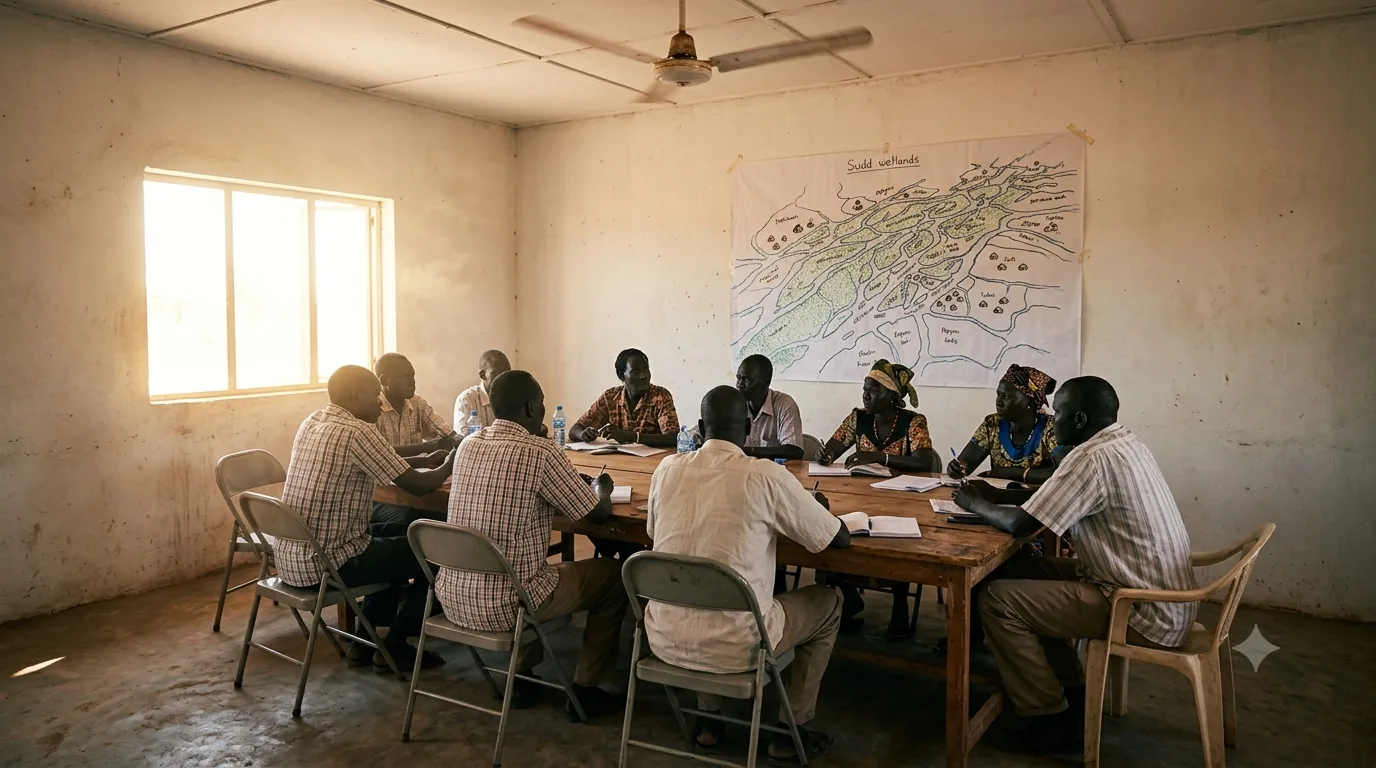
Coordination
Present in the rooms where decisions are made.
Cluster participation is how a national NGO earns the trust required to deliver at scale — and how the realities of a community reach the people allocating resources.
- FSLActive participation in FSL coordination, including CFSAM debriefings and conflict-sensitive programming forums.Member
- NutritionReporting into the Nutrition Cluster coordination team alongside the Ministry of Health.Member
- HealthEngagement on maternal and newborn health evidence in conflict-affected settings.Member
- ProtectionCoordination on GBV awareness, child protection and safeguarding practice.Member
- NGO ForumMembership application underway.In progress
Work with us
Changing South Sudan takes more organisations than any one of us.
IPI actively seeks consortium partners, technical collaborators and funders who work the way we do — with communities, not around them.